Seasonal Fashion Trends You Should Know in Style
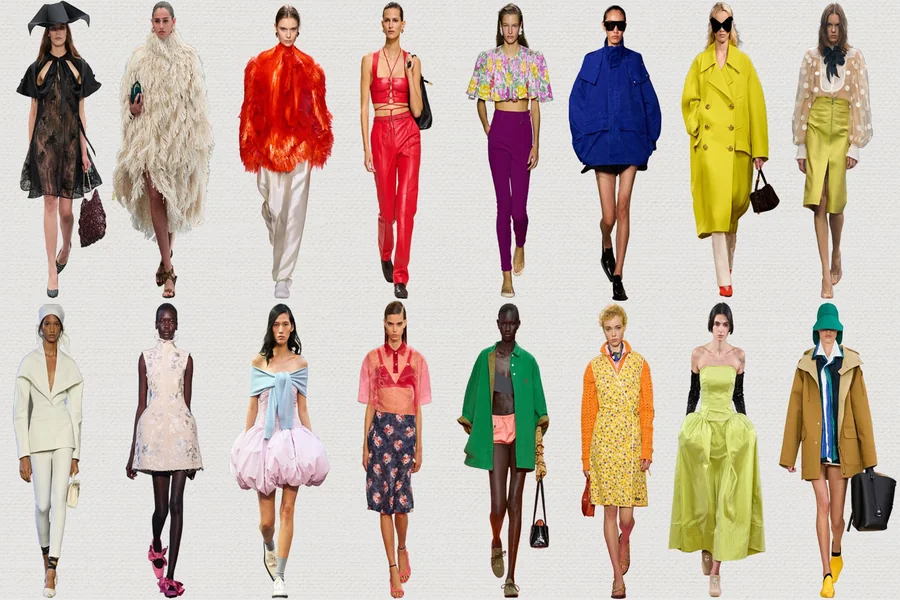
Fashion changes with the seasons, and each part of the year brings new colors, fabrics, silhouettes, and styling ideas. While personal style remains important, staying aware of seasonal updates can help keep your wardrobe feeling fresh and relevant. Trends are not only about runway collections or celebrity looks. They often influence what appears in stores, online fashion platforms, and even everyday street style.
Understanding Seasonal Fashion Trends You Should Know can help you make smarter wardrobe decisions throughout the year. Instead of buying clothes without a plan, seasonal awareness allows you to choose pieces that feel current while still matching your personal taste.
Fashion trends also reflect changes in lifestyle, climate, culture, and design. Lightweight fabrics become popular in warmer months while layered textures dominate cooler seasons. Accessories, footwear, and colors also shift depending on the time of year.
Keeping up with fashion trends does not mean changing your entire wardrobe every season. It means knowing what is current, understanding what works for you, and finding ways to blend timeless essentials with fresh seasonal updates.
When approached thoughtfully, seasonal fashion can be fun, practical, and confidence building.
Spring Fashion Brings Fresh Colors and Light Layers
Spring often represents renewal, and fashion follows the same energy. As temperatures begin to rise, heavier winter clothing gives way to lighter fabrics and softer color palettes.
Pastel shades often become more visible during spring. Soft pink, sky blue, mint green, lavender, and cream tones create a fresh and polished appearance. Floral patterns also tend to return during this time, adding personality to dresses, tops, and accessories.
Layering remains important because spring weather can be unpredictable. Lightweight jackets, denim layers, blazers, and cardigans become practical choices for changing temperatures.
Breathable fabrics such as cotton and linen also gain popularity. These materials help create comfort while maintaining a clean and stylish look.
Footwear often shifts from boots to loafers, sneakers, and lighter flats. Accessories may also become more colorful and playful.
Spring fashion often encourages experimentation. It is a season where people feel comfortable trying new combinations while still keeping their outfits relaxed and practical. You’ll find practical advice on boringmagazine.co.
Summer Style Focuses on Comfort and Simplicity
Summer fashion is often built around comfort, movement, and breathable materials. As temperatures rise, clothing choices become lighter and more functional.
Loose dresses, relaxed shirts, lightweight trousers, and shorts often become everyday essentials. Fabrics such as linen, cotton, and moisture friendly blends help keep the body comfortable during warmer weather.
Bright colors and bold prints often gain attention during summer. Shades like yellow, coral, turquoise, and white create a clean and energetic feel.
Minimal styling often works best in hot weather. Simple outfits with well chosen accessories can create a strong fashion statement without feeling heavy.
Sunglasses, hats, sandals, and lightweight bags often become key seasonal accessories.
Summer fashion also supports vacation style. Resort wear, flowy silhouettes, and effortless layering become popular for both travel and casual outings.
The best summer outfits often balance style with practicality, allowing people to stay comfortable while still looking polished.
Autumn Trends Bring Texture and Rich Tones
As the weather becomes cooler, fashion naturally shifts toward deeper colors and richer textures. Autumn often creates some of the most visually interesting seasonal trends.
Earth tones such as brown, olive, rust, mustard, burgundy, and dark beige often become wardrobe favorites. These shades create warmth and sophistication.
Layering becomes a major part of autumn styling. Light sweaters, jackets, scarves, and structured outerwear allow people to build more dynamic outfits.
Textured fabrics such as wool, suede, denim, and knit materials become more common during this season.
Boots also return as a popular footwear choice. Ankle boots, leather styles, and structured shoes often pair well with autumn outfits.
Accessories may become more refined, with belts, bags, and watches adding depth to layered looks.
Autumn fashion often feels balanced because it combines comfort, function, and elegance in a natural way.
This season also allows people to mix summer basics with cooler weather pieces for more creative styling.
Winter Fashion Combines Warmth with Statement Pieces
Winter fashion focuses heavily on warmth, but that does not mean style needs to disappear. In fact, winter often allows for some of the strongest fashion statements.
Coats become one of the most important style pieces. Long coats, puffer jackets, trench designs, and tailored outerwear often define winter looks.
Neutral colors such as black, gray, navy, and camel remain popular, though some people choose bold colors to stand out during colder months.
Layering becomes essential. Sweaters, turtlenecks, thermal basics, and scarves help create both warmth and visual interest.
Boots often become the preferred footwear due to comfort and weather protection.
Winter accessories such as gloves, scarves, and hats can also add personality to simple outfits.
Fabric choices become heavier, with wool, cashmere, fleece, and thicker knits providing both function and style.
Winter fashion often encourages investment in quality pieces because outerwear and footwear are used repeatedly throughout the season.
How to Follow Trends Without Losing Your Personal Style
One of the biggest challenges in fashion is balancing trends with individuality. Not every trend works for every person, and that is completely normal.
Instead of changing your entire wardrobe every season, focus on adding a few updated pieces that complement what you already own.
A trendy bag, a seasonal jacket, a new color palette, or updated footwear can refresh your style without creating unnecessary spending.
Understanding your body shape, lifestyle, and comfort preferences helps you choose trends more wisely.
Social media often creates pressure to follow every new look, but true style comes from confidence and consistency.
Fashion trends should inspire rather than control your choices.
Building a wardrobe around timeless essentials while adding seasonal accents often creates the most balanced and sustainable style.
When your clothing reflects both current fashion and personal identity, your style feels more authentic. Fashion resources such as kierrarush.com can provide inspiration and insights to help you create a look that feels both modern and uniquely your own.
Building a Smart Seasonal Wardrobe
A smart wardrobe is not necessarily a large one. It is a collection of versatile pieces that work across seasons.
Start with quality basics that can be layered or styled differently throughout the year. Neutral shirts, denim, jackets, and comfortable footwear often create the foundation.
Then add seasonal items that bring freshness and variety. This may include spring colors, summer fabrics, autumn layers, or winter outerwear.
Storage also matters. Keeping off season clothing organized helps make space for current essentials and reduces clutter.
Shopping with a plan prevents impulse buying and helps create a wardrobe that feels intentional.
Paying attention to fabric quality, fit, and versatility often leads to better long term choices.
Seasonal fashion becomes easier when your wardrobe supports both practicality and self expression.
Final Thought
Seasonal Fashion Trends You Should Know can help you stay current while building a wardrobe that feels personal and practical. Each season brings new opportunities to refresh your look through colors, fabrics, layers, and accessories.
Fashion does not require constant change or expensive purchases. It grows through thoughtful choices, confidence, and understanding what works best for your lifestyle.
By combining timeless essentials with seasonal updates, anyone can create outfits that feel modern, comfortable, and expressive.
The best fashion choices are the ones that make you feel confident every time you step out.
FAQs
Why do fashion trends change with the seasons?
Fashion trends change with the seasons because weather, lifestyle needs, colors, and fabric preferences often shift throughout the year.
How can I follow seasonal fashion trends on a budget?
You can follow seasonal trends by adding a few affordable accessories, colors, or statement pieces to your existing wardrobe.
Do I need to replace my wardrobe every season?
No, you can update your style by mixing timeless essentials with a few seasonal additions.
What fabrics work best in summer?
Lightweight fabrics such as cotton and linen often work well during warmer months.
Why is layering important in autumn and winter?
Layering helps provide warmth, comfort, and more styling options during cooler weather.
How can I keep my personal style while following trends?
You can keep your personal style by choosing trends that match your comfort, lifestyle, and existing wardrobe preferences.