When Forklift Service Is Used in Warehouses
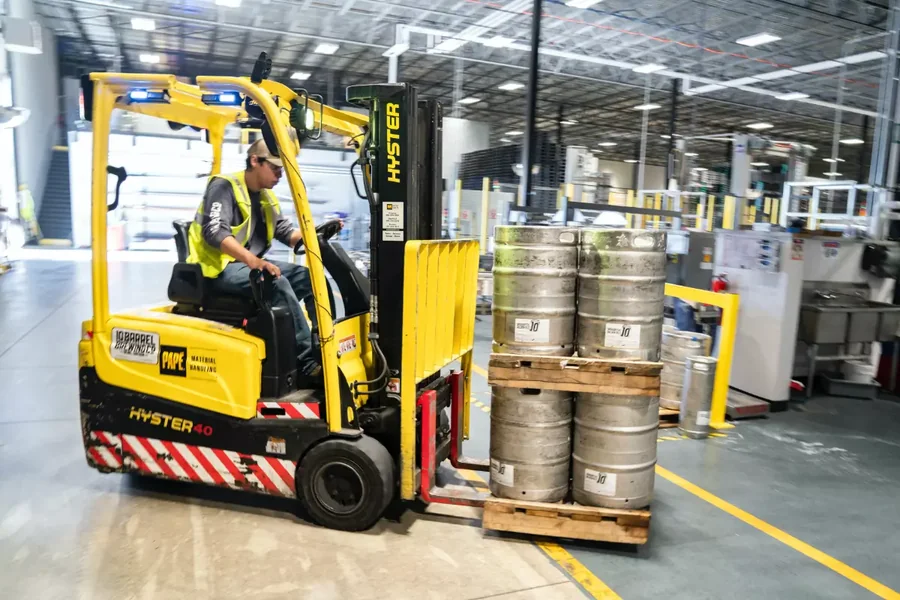
Forklifts are among the most essential machines in modern warehouse operations. They make it possible to move heavy loads quickly, efficiently, and safely, reducing manual labor and increasing productivity. However, like all industrial equipment, forklifts require regular servicing to remain reliable and safe. Forklift service in warehouses is not just a routine maintenance task—it is a critical operational necessity that ensures smooth logistics, prevents downtime, and protects workers.
This article explains when forklift service is used in warehouses, why it is important, what triggers servicing, and how it fits into the broader warehouse maintenance strategy.
The Role of Forklifts in Warehouse Operations
Before understanding when forklift service is used, it is important to recognize the role forklifts play in a warehouse. Forklifts are used for:
- Loading and unloading trucks
- Transporting heavy pallets across warehouse floors
- Stacking goods on high shelves
- Organizing inventory in storage areas
- Supporting order picking operations
Because forklifts are used continuously throughout the day in many warehouses, they experience significant mechanical stress. Engines, hydraulics, tires, brakes, and lifting systems are all subject to wear and tear. This makes regular servicing essential.
What Forklift Service Includes
Forklift service refers to a combination of preventive maintenance, inspections, repairs, and part replacements. A typical service may include:
- Checking hydraulic systems for leaks or pressure issues
- Inspecting forks for cracks or bending
- Testing brakes and steering systems
- Changing engine oil and filters (for internal combustion forklifts)
- Charging and maintaining batteries (for electric forklifts)
- Lubricating moving parts
- Inspecting tires for damage or uneven wear
- Ensuring safety systems like horns and lights are functioning
These tasks ensure that forklifts remain safe and operational under heavy warehouse workloads.
When Forklift Service Is Scheduled
Forklift servicing is not random—it is usually planned based on usage, manufacturer guidelines, and operational demands. There are several key situations when forklift service is used in warehouses.
1. Preventive Maintenance Intervals
The most common reason for forklift servicing is preventive maintenance. Manufacturers typically recommend service after a certain number of operating hours, such as every 200, 500, or 1000 hours.
Warehouses track forklift usage through hour meters. When a forklift reaches a service threshold, it is taken out of operation for inspection and maintenance.
Preventive maintenance is crucial because it helps detect small issues before they turn into major failures. For example, a small hydraulic leak can be fixed quickly during scheduled service, but if ignored, it could lead to system failure and costly downtime.
2. Daily or Pre-Shift Inspections
Although not a full service, forklifts are often checked daily before use. Operators perform basic inspections, and if any issues are found, a service request is triggered.
Common checks include:
- Brake response
- Fork condition
- Tire pressure or damage
- Fluid leaks
- Battery charge level
If a problem is detected, the forklift is immediately sent for servicing before it can return to operation. This ensures safety and prevents accidents.
3. Breakdowns and Unexpected Failures
Despite preventive maintenance, forklifts can still break down. When a forklift stops working suddenly, emergency service is required.
Breakdowns may involve:
- Engine failure
- Hydraulic system malfunction
- Electrical faults in battery-powered forklifts
- Steering or braking issues
In such cases, forklift service technicians are called to diagnose and repair the machine as quickly as possible. The goal is to minimize downtime, especially in high-demand warehouses where even a short delay can disrupt operations.
4. After Heavy or Intensive Use
Warehouses often experience seasonal peaks, such as holiday shopping periods or large inventory shipments. During these times, forklifts are used more intensively than usual.
After such periods, service is often scheduled to:
- Inspect for excessive wear
- Replace worn-out parts
- Rebalance hydraulic systems
- Check structural integrity
This ensures that forklifts remain in good condition after being pushed beyond normal operating limits.
5. Regulatory and Safety Compliance Inspections
In many countries, workplace safety regulations require regular inspection and servicing of industrial equipment, including forklifts. These inspections are legally mandated and must be documented.
Forklift service in this context ensures compliance with safety standards such as:
- Occupational health and safety laws
- Insurance requirements
- Manufacturer warranty conditions
Failure to comply can result in fines, legal liability, or increased risk of workplace accidents.
6. Before Equipment Leasing or Return
In warehouses that use leased forklifts, servicing is often required before returning the equipment. Leasing companies inspect forklifts for damage, wear, and maintenance history.
Service is performed to:
- Restore the forklift to acceptable condition
- Avoid penalties for damage
- Ensure proper functioning for the next user
Similarly, when receiving a new forklift, a service check may be performed to confirm it is ready for operation.
Why Forklift Service Is Critical in Warehouses
Forklift service is not just about fixing problems—it is about maintaining operational efficiency and workplace safety.
1. Reducing Downtime
Unplanned downtime can be extremely costly in warehouse environments. A single malfunctioning forklift can delay entire supply chains. Regular servicing helps reduce unexpected breakdowns and keeps operations running smoothly.
2. Improving Safety
Forklifts operate in busy environments where workers, equipment, and inventory are in close proximity. Poorly maintained forklifts can cause accidents such as tipping, collisions, or dropped loads.
Regular service ensures:
- Reliable braking systems
- Stable lifting mechanisms
- Functional warning signals
- Safe steering and control
3. Extending Equipment Lifespan
Forklifts are significant investments. Proper servicing extends their operational life by preventing excessive wear and damage. This reduces the need for frequent replacements and lowers long-term costs.
4. Increasing Efficiency
Well-maintained forklifts operate more smoothly, lift faster, and consume less energy or fuel. This improves overall warehouse productivity and reduces operational costs.
Common Signs That Forklift Service Is Needed
Even outside scheduled maintenance, warehouses must recognize warning signs that indicate a forklift needs immediate service:
- Unusual noises during operation
- Slow lifting or lowering
- Hydraulic fluid leaks
- Difficulty steering
- Warning lights on dashboard
- Reduced battery performance
- Excessive vibration or instability
Ignoring these signs can lead to serious mechanical failures or safety risks.
The Role of Preventive Maintenance Programs
Modern warehouses often use structured maintenance programs to manage forklift servicing efficiently. These programs include:
- Digital tracking of operating hours
- Automated service reminders
- Maintenance logs for each forklift
- Scheduled inspections by technicians
Such systems help warehouse managers plan service in advance and avoid disruptions in daily operations.
Forklift service in warehouses is used whenever machines require inspection, maintenance, or repair to ensure safe and efficient operation. It occurs on a scheduled basis through preventive maintenance, during daily inspections, after breakdowns, following heavy usage, and as part of regulatory compliance.
By maintaining a consistent servicing routine, warehouses can reduce downtime, improve safety, extend equipment lifespan, and enhance productivity. In fast-paced logistics environments, forklift service is not optional—it is a fundamental part of keeping the entire operation running smoothly.
Ultimately, the timing of forklift service is determined by a combination of usage patterns, safety requirements, and operational demands. Warehouses that prioritize regular servicing gain a significant advantage in reliability, efficiency, and long-term cost savings.