The Importance of Kitchen Design in Your Home
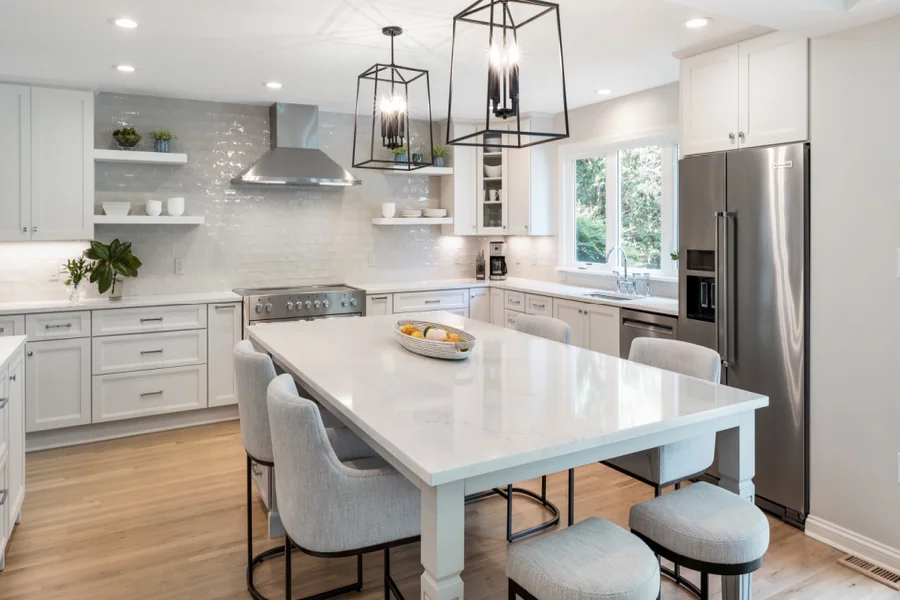
A kitchen is often described as the heart of the home, but that phrase only becomes meaningful when you consider how much daily life actually revolves around it. It is where meals are prepared, conversations happen, routines begin and end, and sometimes even where guests naturally gather during social visits. Because of this central role, kitchen design is not just about aesthetics or interior trends—it directly affects how functional, comfortable, and enjoyable your home feels overall.
A well-designed kitchen can improve efficiency, reduce stress, and even influence healthier habits. On the other hand, a poorly designed kitchen can make even simple tasks frustrating and time-consuming. Understanding the importance of kitchen design helps homeowners make better decisions that impact both daily living and long-term property value.
Functionality Comes First
The most important aspect of kitchen design is functionality. A kitchen is a workspace, and like any workspace, it should be organized in a way that supports smooth movement and logical task flow. This is where the concept of the “kitchen work triangle” comes in, which connects the sink, stove, and refrigerator—the three most frequently used areas.
When these points are positioned efficiently, cooking becomes faster and less tiring. If they are placed poorly, you may find yourself constantly walking back and forth unnecessarily, which adds frustration and wastes time. Good kitchen design minimizes effort and maximizes productivity, especially for people who cook regularly.
Modern kitchen layouts often expand beyond the traditional triangle, incorporating zones for prepping, cooking, cleaning, and storage. This zoning approach makes it easier for multiple people to use the kitchen at the same time without getting in each other’s way.
Storage Solutions and Organization
Another crucial element of kitchen design is storage. Kitchens contain a wide variety of items—utensils, cookware, appliances, food supplies, cleaning products—and without proper organization, clutter quickly builds up.
Smart kitchen design incorporates storage solutions that make use of every available space. This includes deep drawers for pots and pans, pull-out shelves for easy access, corner cabinets with rotating trays, and vertical storage for baking sheets and cutting boards. Even small kitchens can feel spacious when storage is thoughtfully planned.
Good organization also saves time. When everything has a designated place, you don’t waste time searching for ingredients or tools. This reduces stress and makes cooking more enjoyable, especially during busy periods like weekday mornings or holiday meal preparations.
Aesthetic Appeal and Atmosphere
While functionality is essential, aesthetics also play a major role in kitchen design. The kitchen is one of the most visible areas in a home, and its appearance can significantly influence the overall atmosphere of the house.
Color schemes, materials, lighting, and finishes all contribute to how a kitchen feels. For example, light colors can make a small kitchen appear larger and more open, while darker tones can create a more luxurious and intimate feel. Natural materials like wood and stone add warmth and texture, while modern materials like stainless steel and glass can create a sleek, contemporary look.
A well-designed kitchen should reflect the personality and lifestyle of the homeowner. Whether someone prefers a minimalist style or a cozy, traditional look, the design choices should create a space that feels comfortable and inviting.
Impact on Home Value
Kitchen design is one of the most influential factors in determining a home’s market value. Real estate experts consistently note that buyers pay close attention to kitchens when evaluating a property. A modern, functional, and visually appealing kitchen can significantly increase a home’s resale value.
Kitchen renovations are one of the most effective ways to improve a property’s overall value, especially when they focus on improving layout efficiency, upgrading materials, and enhancing storage and lighting. Even minor upgrades—such as new countertops, updated lighting, or improved cabinetry—can make a noticeable difference. A well-designed kitchen suggests that the entire home has been well maintained, which builds buyer confidence.
On the other hand, an outdated or poorly designed kitchen can reduce a home’s appeal, even if the rest of the house is in good condition. This is why many homeowners prioritize kitchen renovations when planning to sell their property.
Influence on Daily Lifestyle and Health
Kitchen design also affects lifestyle habits. A well-organized and inviting kitchen encourages people to cook more at home, which can lead to healthier eating habits. When ingredients and tools are easy to access, preparing meals becomes less of a chore and more of an enjoyable activity.
In contrast, a cluttered or inefficient kitchen often leads to reliance on takeout or processed foods, simply because cooking feels too inconvenient. In this way, kitchen design can indirectly influence nutrition and overall well-being.
Lighting also plays a role in this. Bright, well-placed lighting makes food preparation safer and more enjoyable, while also creating a more uplifting environment. Natural light, when available, further enhances mood and energy levels.
Safety and Ergonomics
Safety is another important reason why kitchen design matters. Kitchens contain potential hazards such as hot surfaces, sharp tools, and electrical appliances. A well-designed kitchen reduces risks by ensuring proper spacing, stable work surfaces, and safe appliance placement.
Ergonomics—how comfortably a space supports human movement—is also key. Countertops at the correct height prevent back strain, while easy-to-reach storage reduces the need for bending or stretching. Slip-resistant flooring and proper ventilation also contribute to a safer cooking environment.
These details may seem small, but over time they significantly affect comfort and physical health.
Adapting to Modern Lifestyles
Modern kitchen design has evolved to reflect changing lifestyles. Open-plan kitchens, for example, have become increasingly popular because they connect cooking spaces with dining and living areas. This creates a more social environment where people can interact while meals are being prepared.
Technology has also transformed kitchens. Smart appliances, energy-efficient systems, and touchless fixtures are becoming more common. These innovations improve convenience, reduce energy consumption, and enhance the overall cooking experience.
A well-designed modern kitchen considers not only current needs but also future adaptability. As families grow or lifestyles change, a flexible kitchen design can continue to meet evolving demands.
Emotional and Social Value
Beyond practicality, kitchens hold emotional significance. Many family memories are created in this space—holiday meals, late-night conversations, or simple everyday routines. A well-designed kitchen encourages these moments by creating a welcoming environment where people naturally want to gather.
It can also strengthen relationships. When a kitchen is open and comfortable, family members are more likely to spend time together, share meals, and communicate more frequently. This social function is often overlooked, but it is one of the most meaningful aspects of kitchen design.
Conclusion
Kitchen design is far more than a decorative choice—it is a foundational element of how a home functions and feels. From efficiency and storage to aesthetics, safety, and emotional value, every design decision influences daily life in significant ways.
A thoughtfully designed kitchen improves productivity, encourages healthier habits, enhances social interaction, and increases property value. It transforms cooking from a routine task into an enjoyable experience and turns the kitchen into a true centerpiece of the home.
Investing time and effort into kitchen design is ultimately an investment in comfort, convenience, and quality of life.