Parenting and Early Education
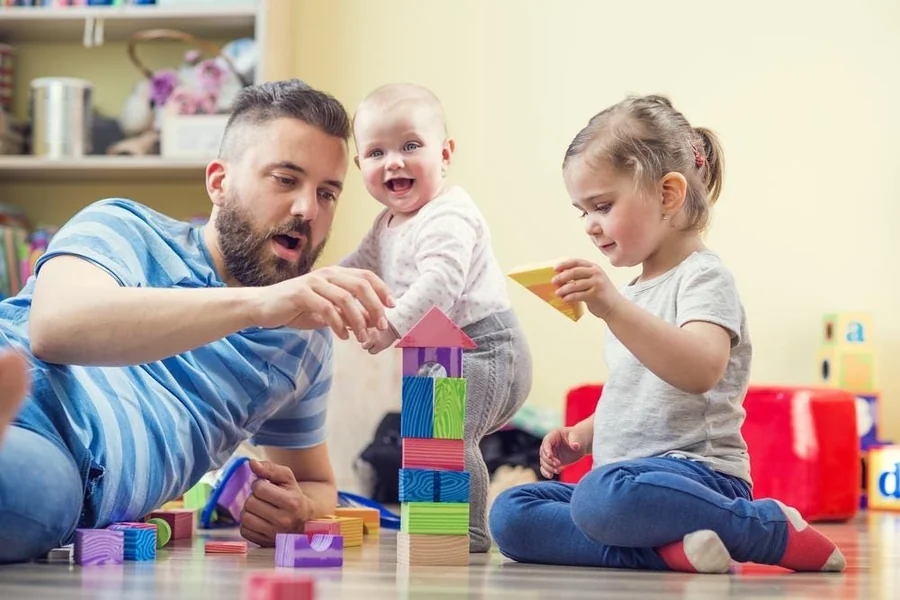
Parenting and early education are deeply connected forces that shape a child’s development long before formal schooling begins. The early years of life are a period of rapid brain growth, emotional formation, and foundational learning. During this time, children are not only learning language, movement, and basic problem-solving skills—they are also learning how to relate to others, how to regulate emotions, and how to understand the world around them. Parents and early educators play complementary roles in guiding this process, each influencing a child’s cognitive, social, and emotional development in lasting ways.
The importance of early childhood development
The first five years of life are often described as the most critical stage of development. Neuroscience shows that during this time, the brain forms neural connections at a faster rate than at any other stage. Experiences—both positive and negative—shape how these connections are built and strengthened. A child who grows up in a supportive, responsive environment is more likely to develop strong communication skills, emotional resilience, and curiosity about learning.
Parenting during this stage is not about perfection or structured academic teaching. Instead, it is about consistency, responsiveness, and emotional availability. When caregivers respond to a child’s needs—whether through comforting, talking, playing, or setting boundaries—they help the child build a sense of security. This sense of security becomes the foundation for exploration and learning.
Parenting as the first learning environment
Before a child ever enters a classroom, the home is their first learning environment. Everyday interactions—such as talking during meals, reading bedtime stories, or playing simple games—serve as powerful educational experiences. These moments help children develop vocabulary, listening skills, attention span, and early reasoning abilities.
One of the most influential aspects of parenting in early education is communication. Children who are regularly spoken to, even as infants, begin to recognize patterns in speech and language. Over time, these interactions help them build stronger linguistic and cognitive abilities. Importantly, it is not just the quantity of words that matters, but the quality of interaction. Conversations that involve questions, storytelling, and encouragement of curiosity tend to have a stronger impact than passive exposure such as background television.
Play is another essential element of early learning. Through play, children experiment with roles, solve problems, and express emotions. A simple activity like building blocks can teach concepts of balance, gravity, and spatial awareness, while imaginative play develops creativity and social understanding. Parents who engage in play with their children not only strengthen their emotional bond but also guide learning in subtle and meaningful ways.
Emotional development and secure attachment
A key concept in early childhood development is attachment—the emotional bond between a child and their caregiver. Secure attachment forms when a child consistently experiences care, responsiveness, and emotional safety. This bond influences how children perceive relationships throughout their lives.
Children with secure attachments are generally more confident in exploring their environment because they trust that support is available when needed. On the other hand, inconsistent or neglectful caregiving can lead to insecurity, which may affect emotional regulation and social relationships later in life.
Parenting that prioritizes emotional presence—such as listening to a child’s concerns, acknowledging their feelings, and offering comfort—helps children develop emotional intelligence. This ability to recognize and manage emotions becomes a critical skill in both academic and social settings.
The transition to early education settings
As children grow, they often enter early education environments such as preschool or kindergarten. These settings introduce structured learning experiences, group interaction, and exposure to broader social environments. High-quality, nurturing childcare centres also play an important role in supporting children during this stage by providing safe spaces for guided learning and social development. However, the transition from home to school is most successful when there is continuity between parenting and educational approaches.
Early educators build on the foundation established at home. They introduce routines, collaborative activities, and early academic concepts such as numbers, letters, and shapes. But beyond academics, early education also focuses heavily on social development. Children learn how to share, take turns, resolve conflicts, and work with peers.
When parents and educators communicate effectively, children benefit from a consistent learning experience. For example, if a child is learning basic counting at school, reinforcing those concepts at home through everyday activities—such as counting objects or sorting toys—helps solidify understanding. This partnership between home and school creates a more cohesive learning journey.
The role of routine and structure
Young children thrive in environments that offer both stability and predictability. Routines help them understand what to expect, which reduces anxiety and supports emotional regulation. Simple routines—such as consistent bedtime schedules, regular mealtimes, and predictable morning routines—contribute significantly to a child’s sense of security.
In early education settings, structured routines also help children transition between activities and develop time awareness. Knowing that story time follows playtime or that cleanup happens before snack time helps children build organizational skills and self-discipline.
At home, consistency in expectations is equally important. Clear and age-appropriate boundaries teach children about responsibility and consequences. However, effective parenting balances structure with flexibility, allowing room for exploration, creativity, and spontaneous learning.
Encouraging curiosity and lifelong learning
One of the most valuable gifts parents and early educators can offer is a sense of curiosity. Children are naturally inquisitive, constantly asking questions and exploring how things work. Encouraging this curiosity supports long-term academic motivation and problem-solving skills.
Instead of simply providing answers, adults can guide children to think critically. Asking questions like “What do you think will happen?” or “Why do you think that works?” encourages deeper engagement with ideas. This approach fosters independent thinking rather than passive memorization.
Books, nature walks, simple experiments, and open-ended play all serve as tools for nurturing curiosity. Importantly, curiosity should not be limited to academic subjects—it also includes emotional and social understanding, such as learning why people feel certain emotions or how relationships function.
Challenges in modern parenting and education
Modern parenting and early education face unique challenges. Digital technology, for example, has introduced both opportunities and concerns. While educational apps and online resources can support learning, excessive screen time may limit physical activity, social interaction, and imaginative play.
Balancing technology use with real-world experiences is an ongoing challenge for many families. Experts often emphasize the importance of interactive, rather than passive, screen use, as well as maintaining strong offline learning experiences.
Another challenge is time constraints. Many parents juggle work and family responsibilities, which can make consistent engagement difficult. In such cases, even small, meaningful interactions—like reading together for 10 minutes or discussing the day during dinner—can have a significant impact.
Building a supportive learning ecosystem
Ultimately, a child’s development is shaped by a network of influences: parents, educators, peers, and the broader environment. When these influences work together, children are more likely to thrive academically, socially, and emotionally.
A supportive learning ecosystem recognizes that education does not begin and end in the classroom. Instead, it is a continuous process that happens through daily interactions, relationships, and experiences. Parents who view themselves as active participants in their child’s learning journey, rather than separate from formal education, contribute significantly to long-term success.
Conclusion
Parenting and early education are inseparable elements of a child’s growth. The early years are not just a preparation for school—they are a foundation for life. Through emotional support, communication, play, and consistency, parents shape the way children learn and interact with the world. Early education builds on this foundation, introducing structure, collaboration, and expanded learning opportunities.
When both systems work in harmony, children develop not only academic skills but also confidence, curiosity, and emotional resilience. These qualities extend far beyond childhood, influencing how individuals navigate relationships, challenges, and opportunities throughout their lives.