A Day in the Life of an Electrician
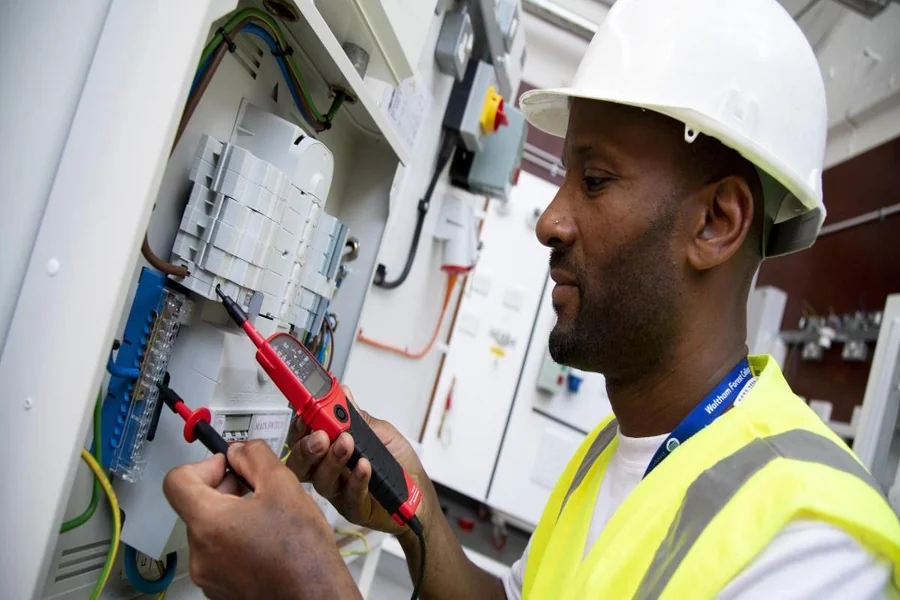
Before most people have finished their first cup of coffee, an electrician is already checking their tools, reviewing job notes, and heading out to the first site of the day. The work may not always be visible once the walls are closed and the lights are on, but electricians play a crucial role in keeping homes, businesses, and entire cities powered safely and efficiently.
Early Start and Preparation
The day typically begins early. After arriving at the workshop or heading straight from home to a job site, the electrician reviews the day’s tasks. These might include installing new wiring in a residential home, upgrading a commercial electrical panel, troubleshooting a faulty circuit, or maintaining industrial equipment.
Preparation is everything. Electricians inspect their tools—wire strippers, voltage testers, drills, conduit benders—and make sure they have the necessary materials such as cables, breakers, outlets, and connectors. They also review blueprints or technical diagrams to understand the layout of electrical systems. In many cases, the work must comply with strict local and national safety codes, such as those outlined by organizations like the National Fire Protection Association, which publishes the National Electrical Code (NEC) in the United States.
Arriving at the Job Site
No two job sites are the same. One day might involve working in a newly constructed suburban home; another might mean climbing ladders in an older office building to replace outdated wiring. Upon arrival, the electrician conducts a safety assessment. They check for potential hazards such as exposed wires, water near electrical systems, or structural obstacles.
Safety gear is essential: insulated gloves, safety glasses, steel-toe boots, and sometimes hard hats. Electricity is unforgiving, and even experienced professionals treat every job with caution and respect.
Installation and Wiring
If the day’s task is installation, the electrician begins by mapping out the wiring paths. In a new build, this could involve running cables through wooden studs before drywall is installed. In commercial settings, it may mean installing conduit along ceilings and walls to protect wiring.
Precision matters. Each wire must be cut to the correct length, stripped carefully, and secured tightly to terminals. Mistakes can lead to shorts, power outages, or even fires. Electricians use testing equipment to confirm voltage levels and ensure circuits are functioning correctly before finalizing connections.
In addition to traditional wiring, modern electricians often install energy-efficient lighting systems, smart home devices, and solar panel connections. As renewable energy grows, many electricians are expanding their skill sets to include battery storage systems and electric vehicle charging stations.
Troubleshooting and Problem-Solving
Not every day is about new installations. A large part of an electrician’s job involves troubleshooting. When a homeowner reports flickering lights or a factory experiences unexpected shutdowns, the electrician becomes a detective.
The process begins with asking questions: When did the problem start? Is it consistent or intermittent? Are multiple circuits affected? Using diagnostic tools, the electrician checks breakers, outlets, switches, and wiring paths to locate the source of the issue.
Problem-solving requires both technical knowledge and creativity. A faulty breaker panel, overloaded circuit, or damaged wire hidden behind a wall could all be the culprit. The satisfaction of identifying and resolving the problem is one of the most rewarding aspects of the job.
Communication and Collaboration
Electricians rarely work alone. On construction sites, they coordinate with contractors, plumbers, carpenters, and project managers to ensure everything runs smoothly. Timing is crucial; electrical wiring often needs to be completed before walls are sealed or ceilings finished.
Clear communication helps avoid costly delays. Electricians may explain technical details to clients in simple terms, outlining what repairs are necessary and why. They must also provide accurate cost estimates and timelines.
In larger projects, such as commercial developments or infrastructure upgrades, electricians may work under the supervision of master electricians or electrical engineers. Teamwork ensures that complex systems operate safely and efficiently.
Continuous Learning
The electrical field evolves constantly. Advances in technology, energy efficiency standards, and safety regulations require electricians to stay up to date. A licenced electrician must complete formal training, pass certification exams, and meet ongoing education requirements to legally perform certain types of electrical work. Many attend training sessions or pursue additional certifications to expand their expertise.
For example, as smart grids and automation systems become more common, electricians may learn to integrate programmable logic controllers (PLCs) or advanced building management systems. In some regions, licensing boards require continuing education to maintain professional credentials. Organizations like the International Brotherhood of Electrical Workers provide training programs and apprenticeships that help newcomers enter the trade and experienced professionals refine their skills.
Physical and Mental Demands
The job can be physically demanding. Electricians often spend hours standing, kneeling, or working in tight spaces such as attics and crawlspaces. Climbing ladders and lifting heavy equipment is common. Good physical stamina and coordination are essential.
Mentally, the work requires concentration and attention to detail. A single loose connection or misread diagram can create serious safety hazards. Electricians must stay focused, especially when working with live circuits.
Despite these challenges, many electricians appreciate the tangible results of their labor. At the end of the day, they can see the lights shining, machines operating, or homes safely powered because of their effort.
Wrapping Up the Day
As the workday ends, electricians clean up the site, organize tools, and document what was completed. They may update clients, file reports, or prepare materials for the next day’s tasks. In emergency service roles, some electricians remain on call to handle urgent issues after hours.
Driving home, there’s often a sense of accomplishment. Electrical systems are the backbone of modern life, powering everything from refrigerators and computers to hospitals and public transportation. Knowing they help keep these systems running provides strong job satisfaction. Many homeowners also become more aware of their energy consumption after electrical upgrades, often comparing the average electric bill fort worth residents typically pay to better understand potential savings from efficient systems. Knowing they help keep these systems running provides strong job satisfaction.
More Than Just Wires
A day in the life of an electrician is about more than connecting wires. It’s about ensuring safety, solving complex problems, adapting to new technologies, and providing essential services that people rely on every day.
While the work may sometimes be challenging, it offers variety, stability, and the opportunity to make a real impact. Behind every illuminated building and humming machine is the skilled effort of an electrician who began their day before sunrise, ready to power the world safely and reliably.