In the House (Tv Series) Cast, Story, and Legacy
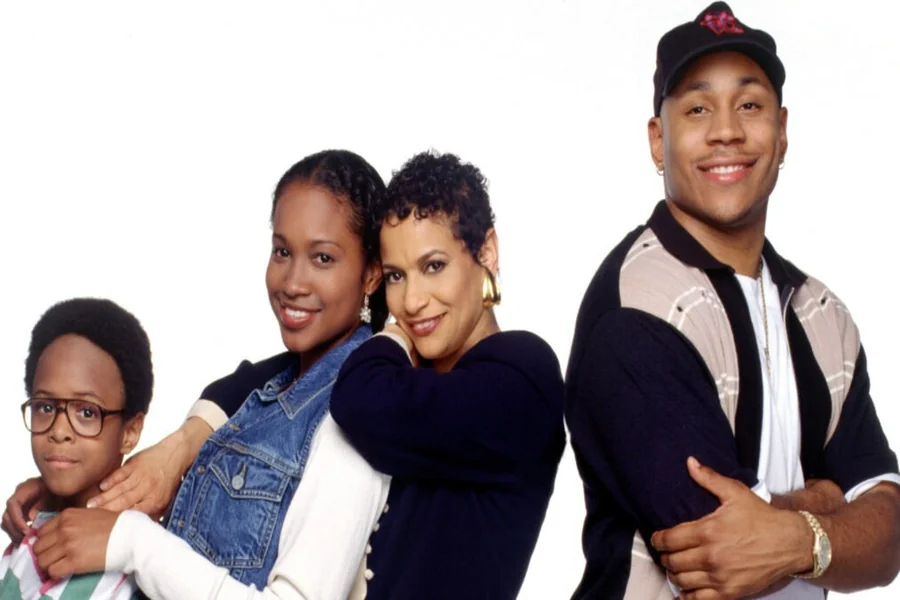
The show In the House (Tv Series) is an American sitcom of 1990s, which combined the fame of sports, family and daily humor in a light, yet meaningful, sitcom. This series usually appears in the list when people discuss the classic Black sitcoms of that time due to its peculiar structure and lead performance. It was first aired in 1995 and soon won a following of people who were intrigued by its combination of comedy and second chances.
It is about the life of a former professional football player, Marion Hill whose glamorous life is interrupted by no money. When he confided in the wrong counselor, he is almost penniless and losing his house. In order to survive, he even rents his partially house to a single mother and her two kids. A business arrangement starts to change gradually into something really serious.
The sitcom was first aired on NBC and then transferred to UPN where it had a five-season run. Throughout such seasons, the show talked about individual development, family relationships, and life misfortunes. Its naive but easy to relate idea enabled it to shine in the decade of family based comedies.
LL Cool J and the Rise of Marion Hill
The character of Marion Hill served as the main focus of attention as early as 1990s when In the House (Tv Series) had to cast a well-known rapper and entertainer, LL Cool J.
Marion is depicted as a self-assured but rather disoriented person after he quits football. He is accustomed to recognition and popularity, and now he has to work with bills, housework, and embarrassments of sharing his interior with strangers. LL Cool J struck a balance between humor and vulnerability in such a manner that made the character relatable. He did not portray Marion as arrogant or bitter. He rather demonstrated a man learning to adjust and develop.
In the case of LL Cool J, the series was a significant move in the further development of his acting career. Though he had been on screen previously, as head of a sitcom it needed regularity and emotional depth. Week after week, he proved that he was equally capable of doing comedic timing and touching moments. He made the show star powered and grounded at the same time.
Marion has overtime changed into a previous athlete who held on to his past and transformed into a responsible and caring person in the house. Such a change turned into one of the emotional support pillars of the series.
Supporting Cast and Changing Dynamics
Even though the main character of the show was Marion, the back cast provided the core of In the House (Tv Series). During the first couple of seasons, the show had Debbie Allen who played Jackie Warren, the single mother who rents rooms in the house of Marion. Debbie Allen infused strength, warmth and acute sense of comedy to the role. Her personality was self reliant and aimed at giving her children a stable environment.
The tension and humor between the characters of Marion and Jackie arose due to their chemistry. They differed with each other concerning parenting style and domestic regulations, yet beneath the exterior respect existed. The early years of the show were based on their interactions.
This was to be changed in later seasons with the introduction of cast members such as Kim Wayans. This changed a bit the color of the series and introduced some new hilarious tunes and plots. Whereas others loved the old group, others loved the new spirits that new characters would bring.
The role of the children in the homestead was also important. Their attitude tended to emphasize the gap between them and Marion in terms of their perceptions of the generations. The show dealt with real life situations in a humorous yet considerate manner with the use of school problems, friendships, and teenage problems.
Themes of Reinvention and Family
In the House (Tv Series) was essentially reinvention. The life story of Marion as a revered athlete to a struggling home owner reflected what was happening in the real world in terms of career changes. The series was a gentle reminder to the audience that life never has a straight path.
One that kept on being repeated was financial responsibility. The previous wrongs of Marion were her lessons of warning without being too preachy. The series relied on humor to get its point across, instead of making the serious issues seem heavy drama. That balance contributed to the fact that it was attractive to a wide audience.
The other significant theme was nontraditional family set-up. The characters were not blood-related, but they developed a relationship by experiencing similar experiences. However, the house grew to be more than a building. It was a unity symbol, a compromising and emotional development.
Communication and accountability were another aspect that was brought out in the sitcom. Characters also made mistakes, quarreled, and they did not even understand each other. The episodes however were normally concluded with candid discussions that caused clarity. Such a trend supported positive messages without losing the comic tone of it.
Cultural Impact and 1990s Television Context
The 1990s were a resilient decade of sitcoms and specifically those ones focusing on black families and communities. In the House (Tv Series) helped to add to that scenery by providing a half-twist to the premise. Rather than a conventional nuclear family, it depicted a blended living structure that was constructed as a necessity.
Its sale by NBC to UPN was a universal change in the industry. UPN also intended to appeal to a wide range of audiences and give room to unrecognized stories that other networks did not have. That became the new home that the series had and it was able to run its five season run.
Although it did not become as popular as some other sitcoms of the 90s, it won a loyal viewership and is today a nostalgic favorite among many people. The reappearance of the show ushered in new generations of people who like its simple humour and the character-driven plot.
Nowadays, the topics of representation tend to go back to the 1990s series. The fact that in the House is part of a group of programs that increased the possibility of black actors and creators getting opportunities to perform on network television. It also contributed to the cementation of the transformation of LL Cool J into a versatile entertainer and not just a music icon.
Final Thought
In the House (Tv Series) is a vivid reminder of television of 1990s due to its sincerity and genuineness. It was not based on gimmicks and over-the-top story lines. Rather it dealt with life battles and self-development.
The view of Marion Hill as once a sport star who turned into a housewife with a family was very realistic and easy to identify with. The supporting cast provided emotional ripeness, humor, and warmth to keep the viewers engaged. In five seasons, the show was able to strike the right balance between humor and important teachings on how to stay strong and adaptive.
Decades after, the show is still very relatable to those who like sitcoms that are based on character growth. This is its legacy, not just because of the comedy it brings but because of the message it conveys, that sometimes setbacks in life can result in new, unexpected beginnings. This sitcom is a relaxing and valuable viewing experience to any person revisiting the television of the 90s.
FAQs
When did In the House (Tv Series) premiere?
It premiered in 1995 on NBC before later moving to UPN.
Who played Marion Hill in the show?
LL Cool J starred as Marion Hill, the former football player adjusting to life after financial setbacks.
How many seasons did the series run?
The show ran for five seasons from 1995 to 1999.
What was the main concept of the show?
The story focused on a retired athlete who rents out part of his home to a single mother and her children to avoid losing his house.
Did the cast change during the series?
Yes, there were cast changes in later seasons that introduced new characters and slightly shifted the tone of the show.
Why is the show still remembered today?
It is remembered for its relatable humor, strong performances, and its portrayal of growth and unconventional family bonds.