Road Safety: A Shared Responsibility
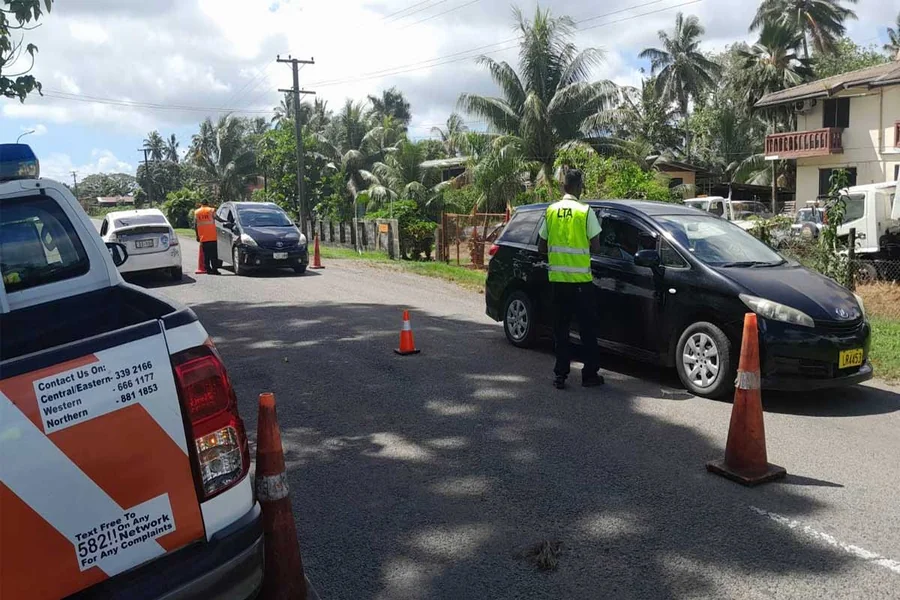
Road safety is a critical concern worldwide, impacting millions of lives every year. Despite technological advancements and stringent traffic laws, road accidents remain a leading cause of injury and death. According to the World Health Organization, approximately 1.3 million people die each year due to road traffic accidents, with millions more suffering life-changing injuries. Ensuring road safety is not just a responsibility of governments or traffic authorities—it is a collective duty of every individual who uses the roads.
Understanding the Importance of Road Safety
Road safety encompasses all measures and practices designed to prevent accidents and protect road users, including drivers, passengers, cyclists, and pedestrians. The primary goal is to reduce fatalities, injuries, and economic losses associated with road accidents. Beyond the immediate consequences of accidents, unsafe roads affect healthcare systems, families, and communities. When accidents occur, they can lead to emotional trauma, financial burdens, and long-term disabilities.
Several factors contribute to road accidents, including human error, poor infrastructure, vehicle malfunctions, and adverse weather conditions. Studies indicate that human error accounts for over 90% of road accidents, making driver behavior a critical focus for improving road safety. This includes speeding, distracted driving, driving under the influence, and non-compliance with traffic laws.
Common Causes of Road Accidents
- Speeding: Excessive speed is one of the leading causes of accidents worldwide. High speeds reduce a driver’s reaction time, increase stopping distances, and amplify the severity of crashes. Even minor errors at high speeds can result in fatal consequences.
- Drunk Driving: Alcohol impairs judgment, coordination, and reflexes. Driving under the influence significantly increases the risk of accidents. Many countries have stringent laws against drunk driving, but enforcement and public awareness remain challenges.
- Distracted Driving: Mobile phones, eating, or other distractions divert attention from the road. Distracted driving is increasingly common, particularly among young drivers. Texting or using apps while driving is especially dangerous, often leading to collisions.
- Poor Road Infrastructure: Potholes, inadequate signage, and poorly lit roads can contribute to accidents. In many developing countries, road maintenance is inconsistent, posing a risk to all road users.
- Weather Conditions: Rain, fog, snow, and ice reduce visibility and road grip, increasing accident likelihood. Drivers must adjust their speed and driving behavior to accommodate adverse weather.
- Vehicle Issues: Faulty brakes, worn-out tires, or malfunctioning lights can lead to accidents. Regular vehicle maintenance is crucial for safety. Additionally, drivers should be aware of services like reliable Truck Roadside Assistance, which can provide quick help in case of breakdowns or emergencies on long routes.
Road Safety Measures and Best Practices
1. Traffic Laws and Regulations
Enforcing traffic laws is fundamental to maintaining road safety. Speed limits, traffic signals, seat belt regulations, and restrictions on mobile phone use are essential measures. Governments and traffic authorities must ensure that these rules are not only established but effectively implemented. Penalties for violations should be significant enough to deter risky behavior.
2. Safe Driving Practices
Every driver has a role in road safety. Practicing defensive driving, maintaining safe distances, and obeying traffic signals are basic yet effective measures. Drivers should avoid aggressive behaviors such as tailgating or abrupt lane changes. Additionally, wearing seat belts, even in short trips, can prevent severe injuries during accidents.
3. Pedestrian Safety
Pedestrians are among the most vulnerable road users. Crossing streets at designated crosswalks, obeying traffic lights, and being visible at night are crucial practices. Communities can enhance pedestrian safety by installing sidewalks, zebra crossings, pedestrian signals, and street lighting.
4. Bicycle and Motorcycle Safety
Two-wheeled vehicles, including bicycles and motorcycles, are particularly vulnerable in traffic. Wearing helmets, reflective clothing, and using proper signaling are essential. Dedicated lanes for motorcycles and bicycles also significantly reduce accident risks by separating slower-moving traffic from faster vehicles.
5. Vehicle Safety Features
Modern vehicles are equipped with numerous safety technologies. Anti-lock braking systems (ABS), airbags, electronic stability control, and lane departure warnings help prevent accidents or reduce injury severity. Choosing vehicles with these features can be a proactive step toward safety.
6. Public Awareness Campaigns
Educating the public on road safety is vital. Awareness campaigns, school programs, and social media initiatives can promote safe driving habits. Information on the dangers of speeding, drunk driving, and distracted driving must be widespread and accessible to all age groups.
7. Emergency Response and Post-Accident Care
Even with preventive measures, accidents may occur. Prompt medical assistance can save lives. Governments should ensure that emergency services are well-equipped and accessible. First aid training for the public can also help reduce fatalities in the crucial moments immediately following an accident.
The Role of Technology in Road Safety
Technology has revolutionized road safety in recent years. Advanced driver-assistance systems (ADAS) use sensors and cameras to prevent collisions, warn drivers of potential hazards, and even take corrective actions. Autonomous vehicles promise to further reduce human error, which is responsible for the majority of accidents. GPS navigation systems, traffic monitoring apps, and speed detection devices also contribute to safer roads by providing real-time information and guidance.
Additionally, smart city initiatives integrate traffic management, surveillance, and communication systems to monitor road conditions and enforce rules more effectively. The combination of technology and responsible driving behavior offers a promising path toward significant reductions in road accidents.
Global Road Safety Initiatives
International organizations and governments collaborate to improve road safety through programs and campaigns. The United Nations declared 2011–2020 as the Decade of Action for Road Safety, aiming to reduce global road traffic deaths by 50%. Many countries have adopted Vision Zero strategies, focusing on eliminating fatalities and serious injuries through comprehensive measures.
Education and community involvement are key components of these initiatives. Countries that combine strict law enforcement, public education, infrastructure improvements, and technological integration report noticeable declines in traffic-related fatalities.
Challenges in Achieving Road Safety
Despite progress, several challenges hinder road safety efforts. Rapid urbanization has led to higher vehicle density, increasing accident risks. In developing countries, limited resources, insufficient infrastructure, and lack of strict enforcement contribute to higher accident rates. Cultural attitudes toward traffic laws also play a role; in some regions, minor violations are socially tolerated, undermining road safety.
Another challenge is adapting to new mobility trends, such as electric scooters, ride-sharing, and self-driving cars. Integrating these modes into existing traffic systems requires careful planning, regulation, and public awareness.
Individual Responsibility in Road Safety
While governments, law enforcement, and technology play crucial roles, individual responsibility is at the core of road safety. Every road user—whether a driver, cyclist, or pedestrian—must be aware of their actions and their potential impact on others. Simple steps, such as avoiding distractions, following speed limits, and using protective gear, can prevent accidents and save lives.
Furthermore, promoting a culture of respect and empathy on the roads fosters safer environments. Sharing the road, giving way to vulnerable users, and being patient in traffic congestion reflect a mindset that prioritizes collective well-being over personal convenience.
Conclusion
Road safety is a multidimensional issue that demands cooperation, awareness, and vigilance. While human error remains the leading cause of accidents, improvements in infrastructure, vehicle safety, law enforcement, and technology offer effective solutions. However, the most significant impact comes from individual responsibility and community awareness. By embracing safe driving practices, respecting traffic rules, and staying informed about road safety, we can create safer roads for everyone.
Every life lost in a road accident is a tragedy that could have been prevented. Road safety is not merely a matter of policy—it is a shared responsibility. Each individual’s actions on the road can determine whether a journey ends safely or in disaster. Together, through awareness, education, and vigilance, we can transform our roads from dangerous spaces into safe corridors for all.